Before the First Green Light: The Realistic Route to an ARDS Race Licence in 2026
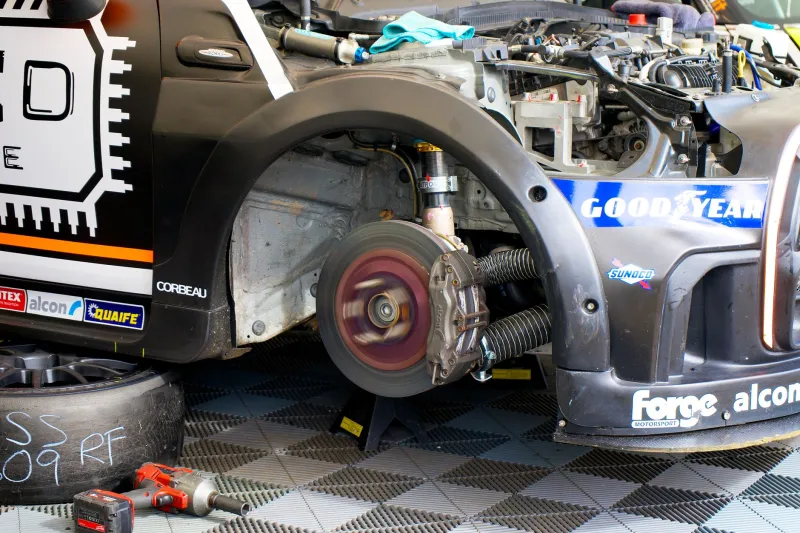
Photo: ARDS race licence tuition UK motorsport school track car, via creativemeddoses.com
Every track day has one: the driver who climbs out after a session, grins at the timing screen and announces they are going racing. It is a familiar paddock dream, and the ARDS course is the usual first proper step. The good news is that it is not some secret handshake. The less good news is that the driving is only half the job.
ARDS stands for Association of Racing Drivers Schools. In plain English, it is a one-day assessment run by Motorsport UK-recognised schools, and passing it is one of the requirements for a first Race National B licence. It is not a race, and it is not a talent contest. Instructors are looking for someone who can handle a car predictably, read a briefing, understand flags and behave safely in a paddock. Pace helps, but judgement matters more.
What the day actually involves
Most courses follow a similar shape: a classroom session, a written multiple-choice paper on flags, safety and basic regulations, then practical driving with an instructor. You will usually use the school's car rather than your own, which levels the field and removes the excuse that your tyres were cold. The driving assessment is not about setting a lap record. It is about smooth inputs, awareness, obeying instructions and showing you can be trusted in a crowded environment.
Some schools run the course alongside a track day; others keep it separate. Ask exactly what is included before you book: car hire, fuel, insurance, lunch, helmet, the written test and the pass certificate. A cheap course that excludes half of that is not cheap.
Picking a school without guessing
Start with the Motorsport UK list of recognised ARDS schools and then work backwards from geography and diary. Silverstone, Brands Hatch, Donington, Cadwell and Anglesey all host tuition in various forms, but the right choice is usually the one you can reach without a 5am motorway epic. Ask about instructor ratios, how many students are on the course, what car you will drive and what happens if the weather turns. A reputable school will answer plainly. If the office cannot tell you whether the fee includes the licence application or the medical, keep looking.
It is also worth asking how the day is structured for complete novices. Some courses assume you have done track days and can heel-and-toe; others start from seating position and braking points. Neither is wrong, but you want the one that matches your experience.
The paperwork is the real test
This is where plenty of would-be racers come unstuck. Before you can apply for a Race National B licence you will need a pass certificate from an ARDS course, membership of a Motorsport UK-recognised club, and the relevant medical sign-off. The medical form is not a formality for everyone, and eyesight standards apply. Book the GP appointment early, take the form with you and do not assume the receptionist knows what an ARDS is.
Club membership is another easy one to leave late. Join before you apply, keep the confirmation, and check whether the club needs to validate anything. The licence application itself needs photos, fees and the correct grade. Miss a box and you will be doing the paddock walk of shame before you have even sat in a race car. Read the Motorsport UK guidance for 2026 carefully, because the online process and fees do change.
The costs that do not make the poster
The course fee is the headline, but budget for the medical, the licence fee, club membership and a decent helmet at the very least. Then come the things that actually make racing expensive: entry fees, transport, spares, tyres, fuel and the small matter of a car. The ARDS is the cheap bit. Treat the whole package as a season-long budget rather than a one-off purchase.
Mistakes that are easy to avoid
The classic error is treating the assessment like a track day and overdriving. Instructors have seen plenty of fast drivers who ignore flags and plenty of steady drivers who pass comfortably. Learn the flag meanings before you arrive, listen in the briefing and ask questions if something is unclear. Do not turn up with an out-of-date medical or a club membership you have not activated. And do not assume a decade of track days means you will walk it. Track-day etiquette is a good start, but race regulations are their own language.
After the pass
Passing the ARDS does not make you a racing driver overnight. It makes you a licence holder, usually with novice status, which means you still have plenty to learn about starts, race craft and the particular chaos of a club grid. The sensible next step is a test day, a school car or a mentor who has been there. Then enter a club race that suits your budget and your nerves.
The route from track day to race grid is not mysterious. It is a course, a medical, a club card and a form. The driving is the fun part; the admin is what gets you to the grid.