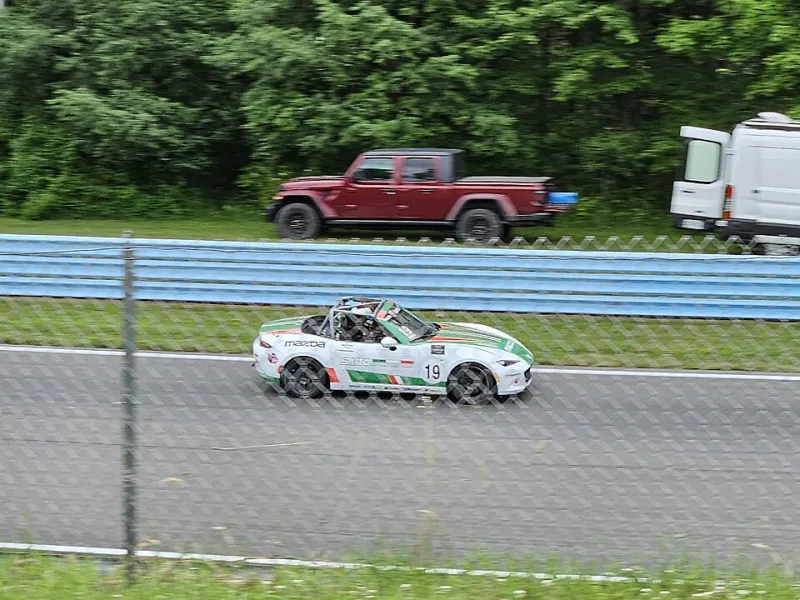
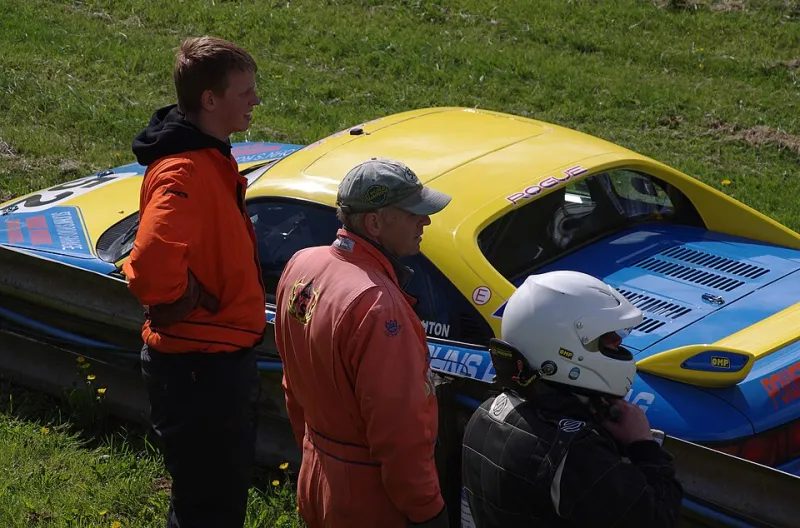
Against the Clock and Up the Hill: Britain's Cheapest Route Into Real Competition
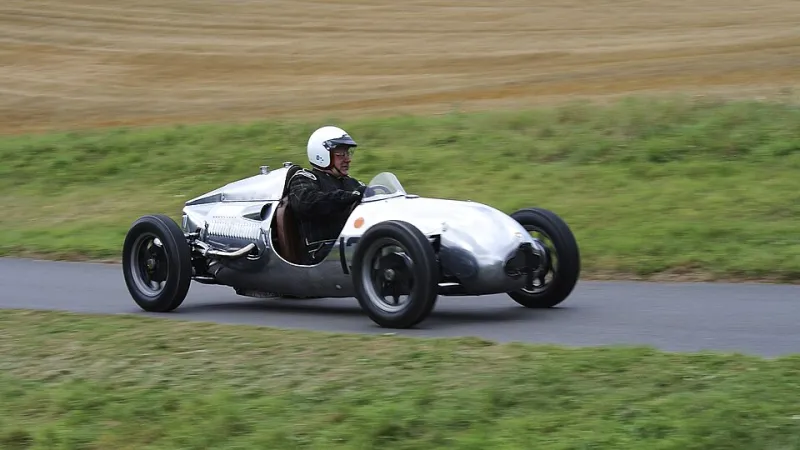
Photo: Ian Kirk from Broadstone, Dorset, UK, CC BY 2.0, via Wikimedia Commons
Track days have quietly become expensive. A weekend slot at a big circuit, a set of pads, a set of tyres, insurance if you're sensible, fuel if you aren't — the total lands in the hundreds before you've turned a wheel in anger. Which is why a slightly unfashionable corner of British motorsport deserves another look in 2026.
Hillclimbing and sprinting are the country's oldest speed disciplines, they run on some of its most beautiful pieces of tarmac, and they will let you compete in the car you drove there. This is the gateway nobody mentions.
What a speed event actually is
Forget wheel-to-wheel racing. In a hillclimb or sprint you run alone against the clock. A hillclimb goes point-to-point up a hill; a sprint runs over a short circuit or a lap of a venue. You get practice runs, then timed runs, and your best one counts. Cars set off at intervals, so contact is not a thing that happens.
Runs are short — typically somewhere between thirty seconds and a minute and a half. That changes everything. It's cheaper on tyres, brakes and fuel, it's easier on the car, and it rewards precision over raw aggression. It's also a brilliant format for anyone who has ever wanted to know whether they're actually quick, rather than whether they're brave.
The venues that made the discipline
Shelsley Walsh in Worcestershire is the one to know. Run by the Midland Automobile Club and in continuous use since 1905, it's the oldest motorsport venue in the world still hosting competition. Short, steep, lined with trees and spectators, and utterly unforgiving of a missed line.
Prescott in Gloucestershire, home of the Bugatti Owners' Club since the late 1930s, is the technical one — a proper driver's hill with hairpins that punish impatience. Harewood in Yorkshire climbs above the Wharfe valley and offers views that would justify the trip even without the cars. Add Gurston Down in Wiltshire, Loton Park in Shropshire, Wiscombe Park in Devon and Barbon Manor in Cumbria, plus the Scottish hills, and you have a calendar that doubles as a tour of the British countryside.
Sprints complete the picture, often run by the same clubs at places like Curborough, Goodwood and various airfield venues — cheaper again, and a good first step if you'd rather learn the format on flat ground.
Licences, classes and what you can enter
To compete you'll need a Motorsport UK competition licence for speed events — the entry-level club grade is the one most beginners buy — plus membership of a club that runs the meetings. There's usually a medical declaration, an online application and a modest fee. It is far less intimidating than the paperwork suggests.
Classes are the key bit. Speed events are class-based to an unusual degree, and most meetings include road-going production classes for near-standard cars. You will need to read the supplementary regulations for the specific event rather than trusting a forum post from 2011, but the principle is straightforward: the more standard your car, the more standard your class. Safety kit requirements vary by class and by championship, so check before you spend anything.
A scrutineer will look over the car on the day. Make sure the battery is secure, there's nothing loose in the cabin, the tyres are legal and the brake fluid isn't from the last decade. That's most of it.
The money bit
Ballpark figures for a club hillclimb: entry fees in the region of £100–£200, a licence around £60–£80, club membership £20–£40, plus fuel and getting there. If you're towing, add trailer hire or a trailer. If you're driving to the venue, add a set of sensible tyres and a healthy respect for the drive home.
Two or three hillclimb entries cost roughly what one decent track day does — and you get a competition, a class, a result and a paddock full of people who will help you. Many clubs also run hillclimb school days, which are the ideal way in: instruction, several runs, no pressure, no championship points at stake.
Why it suits an ordinary road car
Because the format doesn't demand a race car. It demands a car that's sound, a driver who's paying attention, and a willingness to learn. Short runs mean you're not hammering the machinery, and single-car running means the risk of someone else's mistake costing you your front wing is effectively nil.
It's also a remarkably good classroom. You get a timed result every run, which means you can measure progress instead of guessing at it. You'll learn more about braking points and lines in one weekend of hillclimbing than in a whole season of lapping.
Your first weekend
Arrive Saturday morning for scrutineering. Walk the hill — genuinely walk it, all of it, twice. Watch the faster classes and note where they brake. Do your practice runs, then resist the urge to change everything overnight. Sunday is timed runs, and the advice from every experienced hand in the paddock will be the same: be smooth, be tidy, finish your runs.
The catch is waiting. Hillclimbs involve a lot of sitting around between short bursts of activity, and British weather does not negotiate. Bring a chair, a flask and something to read.
The overlooked gateway
Hillclimbing isn't glamorous and it doesn't trend. What it does is put you on a start line, against a clock, in a real competition, for the price of a decent weekend away — in a car you already own, at a venue that's been running since the Edwardian era. If 2026 is the year you stop watching and start entering, this is the door most people walk straight past.