Beyond the Fence: How to Watch Club Racing Like a Local
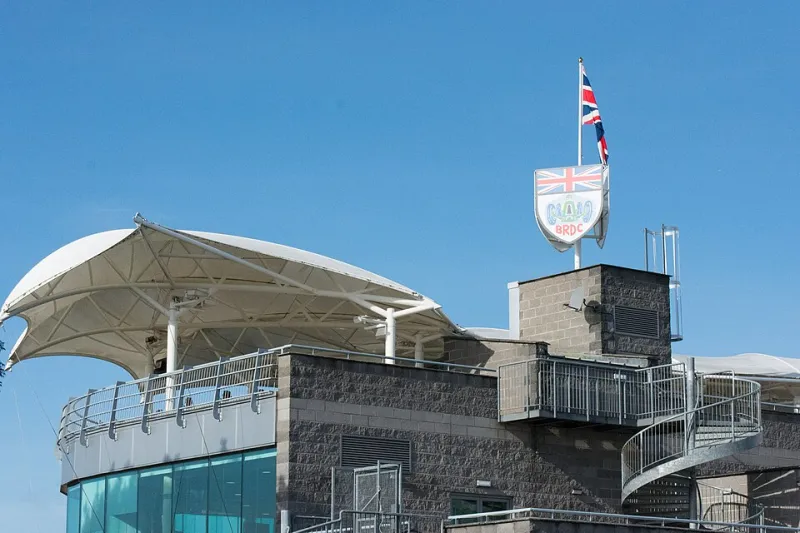
Photo: Peter Taylor, CC BY 2.0, via Wikimedia Commons
Club racing has a lovely secret: you can often walk right up to the paddock, stand by the fence and watch a bloke in a £3,000 hatchback have the race of his life. No corporate hospitality, no big screen, no queue for a £9 burger. Just motorsport, close enough to smell.
If you have never been to a club meeting, this is your field guide. It is evergreen stuff — the kind of advice that works at a damp Snetterton in March or a sunny Cadwell Park in July — but it is written for 2026, when a weekend at the races can still cost less than a tank of fuel.
Pick the Right Meeting
Start with the calendar. The British Automobile Racing Club, the British Racing and Sports Car Club, the Motor Sports Association's own events and the Classic Sports Car Club all run meetings up and down the country. Some are one-day sprints and hillclimbs; others are full weekends with practice, qualifying and a packed race schedule.
If you want variety, look for a meeting with mixed grids — saloons, sports cars, maybe a few single-seaters. If you want atmosphere, a classic meeting is hard to beat. If you want to see close racing on a proper circuit, pick a club meeting at a track you have heard of: Cadwell Park, Oulton Park, Brands Hatch, Snetterton, Mallory Park, Lydden Hill. Smaller venues like Lydden are brilliant for spectators because the action is never far away.
Check the organiser's website for the timetable before you travel. Club meetings often start early and finish earlier than you expect. A 9am start might mean qualifying is done by lunchtime and the first race is at 1pm. Do not assume it will run like a Grand Prix weekend — it will not, and that is part of the charm.
What to Pack
The best club racing kit is boring and practical. Layers, because British weather does not care about your plans. A waterproof coat that actually keeps water out. Sturdy boots — grass car parks and paddock gravel are not kind to trainers. A cap or hat, sun cream in summer, gloves in winter.
Binoculars are genuinely useful, even at small circuits, because you can follow a battle through a distant corner. Earplugs are not a joke — some club cars are louder than you expect, and you will thank yourself after four hours. Bring a flask and some food if you want to keep costs down; circuit catering is fine but not cheap. Cash is still handy for programmes, bacon rolls and the occasional raffle. A folding chair is nice if you plan to sit, but half the fun is moving around.
Where to Stand
You do not need a grandstand. In fact, the best views are often free. Walk the perimeter and look for marshals' posts — they are usually sited where the action is good. Outside of a corner is classic: you see cars arrive, turn in and get on the power. Avoid standing directly behind a barrier where you cannot see over it, and never stand in a blind spot or beyond a safety line.
At most club meetings you can move around during the day. Watch a race from one corner, then wander to another. That is the joy of it. You will hear the cars before you see them, and the smell of hot brakes and race fuel is part of the experience.
If you are photographing, be aware of your surroundings and never step into a prohibited area for a better angle. Marshals have enough to do without moving you on.
Paddock Etiquette
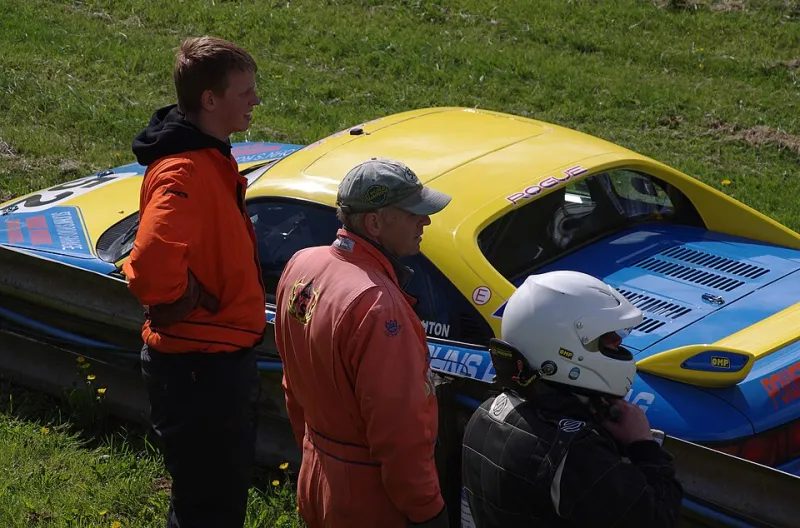
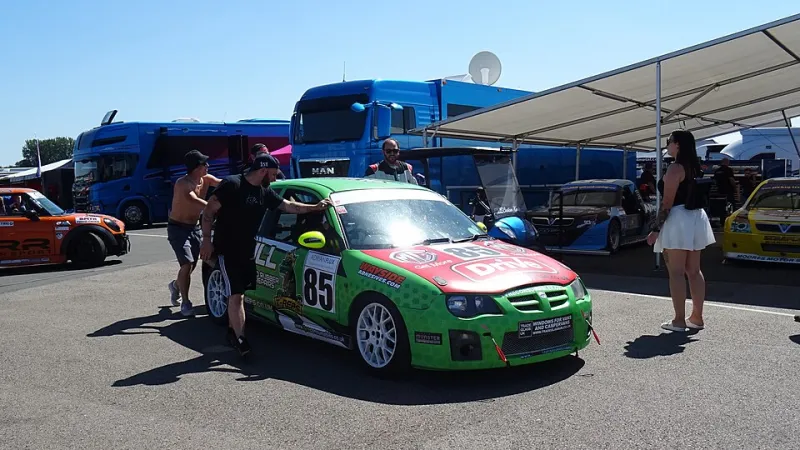
The paddock is where club racing really shines. You can often walk among the cars and teams, but there are a few unwritten rules. Ask before you touch anything. Do not walk through a team's working area while they are refuelling or changing a wheel. Keep an eye out for moving cars and quad bikes. If a team is thrashing to fix a car before the next race, give them space — a polite 'good luck' is fine, but do not block the toolbox.
Children are welcome at most meetings, but keep them close and explain that race cars do not have reverse cameras or patience. Dogs are often allowed but check the venue's rules. And if you see a marshal or official, a nod and a thank you goes a long way. They are volunteers, and they make the whole thing happen.
Understanding the Timetable
Club race programmes usually list practice, qualifying and races. Grids are often set by qualifying times, but some meetings use heats or handicaps. Do not worry if you do not follow every class — half the fun is working out who is quick and who is in a different race entirely. The programme will tell you the race distance and the class structure. If in doubt, ask a spectator next to you. Club racing crowds are friendly.
The Joy of Unfenced Access
What makes club racing special is the lack of distance. You are not watching from a tiered stand with a big screen. You are standing by a fence, hearing a Ford Fiesta racer bounce off a kerb, and then walking to the paddock to see the same car with its bonnet off. That access is rare in modern sport. Use it, respect it and enjoy it.
Go on. Pick a meeting, pack a flask, and stand by the fence. You will be back.