Kettle On, Helmets Off: What a Red Flag Really Teaches the Paddock

Photo: motorsport paddock kettle tea track day red flag UK, via i.pinimg.com
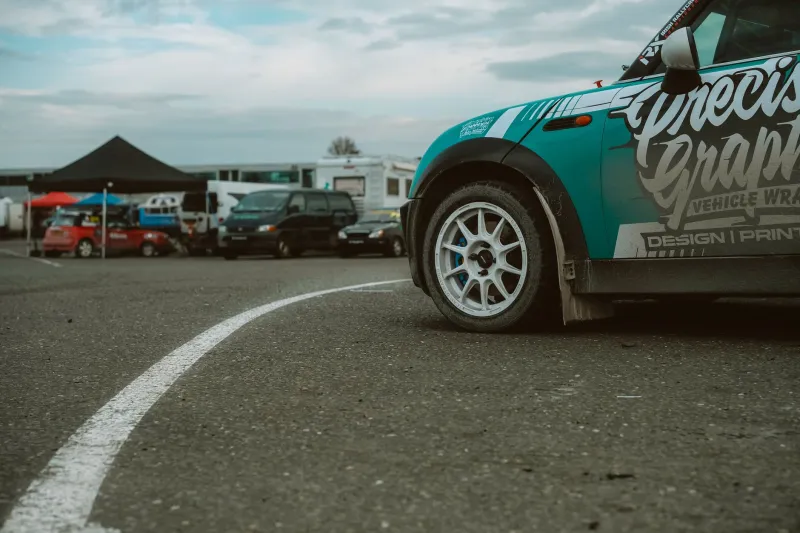
You know the moment. You’re lined up in assembly at a circuit like Snetterton or Donington, engine idling, visor down, mentally rehearsing the braking point into the first corner. Then the red flags appear. The marshal’s radio crackles. The session is stopped. Everyone rolls back to the paddock, and the track goes quiet.
What happens next is rarely dramatic. There might be a recovery truck, a sweeper, a clerk of the course making a decision. But for the drivers, the red flag is a strange gift: a pocket of time in a day that’s usually run to the minute. And in that pocket, the paddock becomes its own little world.
The Marshal’s Reset
Before anyone thinks about going back out, the marshals own the circuit. They’re checking the scene, clearing debris, recovering a car that’s found the gravel trap at precisely the wrong angle. It’s unglamorous work, and it’s the reason the day can restart at all. From the paddock, you watch the recovery truck trundle past and try to read the body language of the officials. A thumbs-up means fifteen minutes. A clipboard and a serious expression means longer.
The tannoy becomes the most important thing in your life. “The session will resume at 11:20.” It’s 11:05 now. That’s enough time for a brew, a tyre check and a quiet word with the instructor you’ve been meaning to corner all morning.
The Kettle Is the Hub
Every track-day paddock has one. Usually a gas stove, a battered kettle and a Tupperware box of teabags. When the session stops, the queue forms. It’s not just about caffeine. The kettle is where information is exchanged: what happened out there, who’s involved, whether the day will restart. It’s where a novice can ask a stupid question and get a genuinely useful answer. It’s where someone who’s been doing this for twenty years admits they still get nervous at the first corner after a stoppage.
Kettle diplomacy is a real skill. The person with the good coffee and the proper mugs becomes briefly popular. The person who brought biscuits is a legend. Nobody cares about your lap times when there’s a brew on.
Tyre Pressures, Again
Watch the paddock during a red flag and you’ll see a lot of people crouching by wheels with a pressure gauge. They checked the tyres twenty minutes ago. They’ll check them again. Part of it is displacement activity — something to do with nervous energy. But part of it is genuinely useful. A stopped session lets the tyres cool, and you get a free lesson in how hot pressures fall back to cold. You learn how much the front-left works at a circuit like Cadwell, and why the rears behave differently at Brands Hatch Indy. It’s thermal management, taught by a pause you didn’t ask for.
The Novice Window
New track-day drivers are often too busy to think. They’re focused on the next corner, the next car, the next flag. A red flag gives them a window to process. Suddenly there’s time to ask the instructor what they meant about the braking point at the hairpin, or why the car felt loose on the exit of the last corner. The questions come in a burst. Instructors earn their money in the stoppages as much as on the laps, because that’s when the learning lands.
You’ll also see novices talking to each other. The shared experience of a stopped session — the mild disappointment, the curiosity, the relief that nobody was hurt — creates a quick bond. By the time the green flag drops, they’ve got a paddock friend and a bit more confidence.
Queue Gossip and Paddock Intelligence
When the assembly area refills, the rumour mill starts. Everyone has a theory about what happened. The truth is usually more mundane: a spin, a mechanical failure, a bit of oil. But the gossip matters. You learn who’s fast, who’s struggling, who’s helpful and who’s a liability. You learn the etiquette of not being a know-it-all. You learn that the quietest person in the queue often has the best advice.
And you learn patience. A red flag can turn a tightly scheduled day into a waiting game. The best paddock people use that time well: they check the car, they hydrate, they sit down for five minutes. They don’t pace around the pit lane looking for someone to blame.
The Restart Is a Refresh
When the track goes green again, something has changed. The break has let everyone reset. The first out-lap feels sharper. The session has a new energy. Some of the best driving happens after a red flag, because the pause has cleared the head and the tyres have cooled to a sensible pressure.
The red flag isn’t dead time. It’s where the paddock becomes a classroom, a village and a support group all at once. The kettle is the most important tool in motorsport. And the next time you’re sitting in assembly, watching the flags, remember: you’re not waiting. You’re learning.