The Quiet Calendar: What British Circuits Do When the Paddock Empties
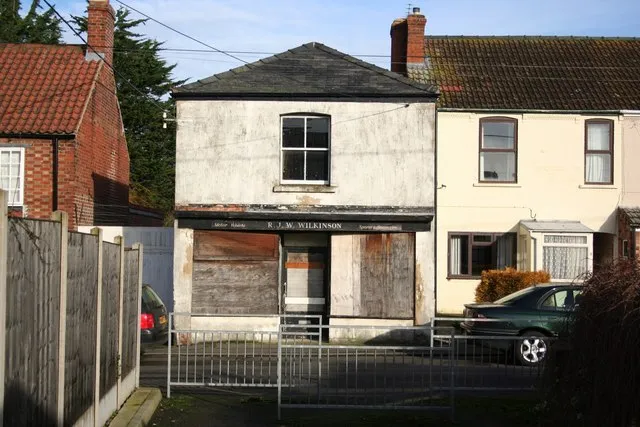
Photo: Richard Croft, CC BY-SA 2.0, via Wikimedia Commons
A race circuit looks simple from the grandstand: tarmac, kerbs, a bit of grass, maybe a burger van doing steady business. From the office above the pit lane, it looks more like a venue with a mortgage. The paddock can be empty on a Tuesday morning and the bills still arrive — insurance, maintenance, staff, electricity, the endless work of keeping a stretch of British asphalt safe enough to be thrashed by everything from a £1,500 hatchback to a GT3 car.
That is why the modern UK circuit does not survive on race weekends alone. The quiet calendar matters. Testing days, filming hire, driving experiences, storage, corporate events and community use all help keep the lights on between club meetings. None of it is glamorous. All of it feeds back into the things club racers and track-day regulars care about: whether the circuit is still there, what a weekend entry costs, and how many dates are left for the rest of us.
The calendar is a jigsaw, not a fixture list
A circuit's year is built like a jigsaw. Race weekends are the big, colourful pieces — the ones the public sees. Around them sit weekday test days, track days, experience sessions, manufacturer hire, film crews and the occasional car club gathering. Each booking has its own demands. A track day needs marshals, medical cover, briefing rooms and a café that can handle a queue. A test day might need garage space, fuel, tyre support and a circuit that can run different layouts without upsetting the neighbours.
Filming is different again. A TV crew or an automotive launch wants privacy, clean track time and a paddock that can be dressed to look like somewhere else entirely. It can be lucrative because it often uses weekdays when the circuit would otherwise be quiet, but it is also fussy. Weather matters. Light matters. The circuit has to be presented like a stage set, not a place where someone has just dropped a sump plug on the pit lane.
Then there are the smaller earners that add up: winter storage for race cars and trailers, car club meetings, driver training, cycling events, running races, even the odd wedding or village gathering. A circuit is a large piece of land with access roads, car parks and buildings. Leaving it idle is not a business plan.
When the cameras move in
Filming and corporate hire have become a steady part of the mix at many UK venues. Car manufacturers like somewhere controlled to launch a new model or put journalists through a handling course. TV shows want a race track that can stand in for a race track. Advertising crews want somewhere with long sightlines and a paddock that can be locked down.
For club racers, the benefit is indirect but real. A well-paid filming booking in February can help carry the circuit through a wet, quiet month. It can fund resurfacing, barrier repairs or the unglamorous drainage work that nobody notices until a puddle appears at the exit of a fast corner. The downside is that high-value bookings can squeeze the calendar. If a circuit has a limited number of usable weekends and noise-limited weekdays, the commercial team has to choose. Club racing and track days do not always win that argument on pure cash terms.
The neighbours have a say
Noise is the fault line running under the whole operation. Most UK circuits operate under planning conditions that limit when they can run, how loud they can be and how many noisy days they can use. Local councils, environmental health officers and nearby residents all have a stake. A circuit can be a good neighbour for years and still find itself in a difficult conversation after one noisy weekend or one changed traffic route.
That politics shapes the product. It is why track days have static and drive-by sound limits. It is why some circuits run quieter days, why exhausts get tested, and why a last-minute change to the timetable can feel arbitrary until you understand the licence the circuit is operating under. Noise agreements also affect how many track days can be sold, which affects availability and price. The quiet calendar is not just a commercial choice; it is often a legal one.
Experiences, storage and the local village
Driving experiences are the most visible side of the weekday economy. Gift vouchers, corporate sessions, novice courses and passenger rides bring people through the gate who might never enter a club race. They also bring families, which helps the café and the shop. For circuits, that matters. A venue that only opens for 20 race weekends a year struggles to justify full-time staff. A venue with activity through the week can keep good people and maintain the place properly.
Storage is less photogenic but equally useful. Race cars, trailers and project cars take up space, and space is something circuits have. Winter storage can be a steady income stream when the racing season goes quiet. Community events are subtler still. A circuit that hosts a car club meet, a cycling race or a local fete is showing its neighbours that it is part of the area, not just a source of noise on a Sunday.
What it means at the entry fee
Club racers often look at an entry fee and see a number that feels too high for two races and a paddock burger. The circuit sees a different sum: track hire, insurance, medical cover, marshals, officials, barrier repairs, electricity, waste, staffing and the risk of a cancelled weekend. Weekday revenue does not make those costs disappear, but it can make the difference between a viable race calendar and one that quietly shrinks.
It also affects track-day availability. Prime dates in spring and summer are valuable. If a circuit can fill them with corporate hire or testing, it may do so. If it needs volume, it will sell track days. Neither is villainous; it is arithmetic. The result for drivers is a calendar that is always a compromise between what the circuit needs to survive and what the paddock wants to buy.
So next time you arrive at a UK circuit and the paddock is full of trailers, tyre warmers and people arguing about ride heights, spare a thought for the empty Tuesday. The back door is open, the lights are on, and somebody is trying to pay the bills. That quiet work is part of why the front door still opens on race day.