Seven UK Circuits That Make a Winter Track Day Worth the Shiver in 2026
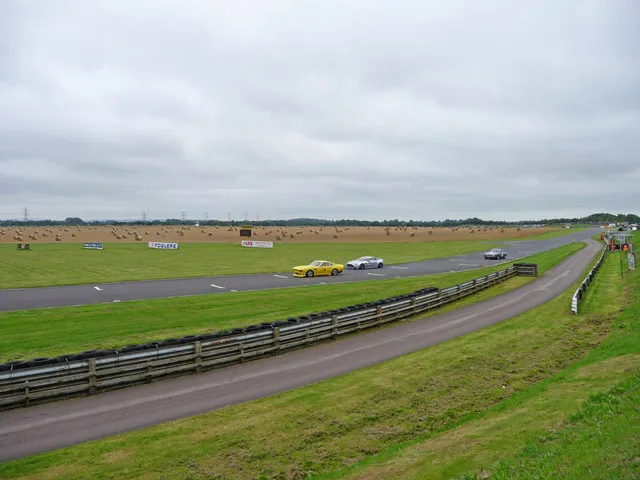
Photo: Christine Matthews, CC BY-SA 2.0, via Wikimedia Commons
Winter track days have a reputation problem. The phrase conjures images of fogged visors, frozen fingers and a queue of nervous drivers tiptoeing around a greasy circuit. In reality, a well-chosen cold-weather day can be one of the best-value experiences on the UK motorsport calendar — fewer cars, more space and a paddock full of people who actually want to be there.
For 2026, several British venues are again running sessions through November, December and the early months of the year. The key is picking a circuit that suits your experience, checking the noise rules before you book and treating the weather as part of the challenge rather than an inconvenience. Here are seven tracks worth a look, plus the cold-weather basics that will keep your day sensible.
Why winter works — with caveats
A summer track day might sell out with 30 cars in your group. A damp Tuesday in February often runs with half that. You get more clear laps, more space to learn a line and a calmer pit lane. Prices tend to drop too, with many UK operators offering sessions from around £100 to £250 depending on the circuit and format.
The trade-off is grip. Cold asphalt is not simply 'less grippy' in a predictable way; it can be patchy, especially where trees shade the surface or where a morning frost lingers. Tyres take longer to come up to temperature, brakes need gentle heat cycles and a safety briefing that sounds routine in July deserves closer attention in January.
Seven circuits to shortlist
Brands Hatch, Kent. The Indy circuit is a classic winter venue: short, busy enough to stay interesting and easy to learn. MSV runs a range of track days through the colder months, and the Grand Prix loop occasionally appears for premium events. Expect £150–£220 for a full day. Noise is strictly policed, so check the static limit before you commit.
Cadwell Park, Lincolnshire. The 'Mini Nürburgring' is brilliant and narrow, with shaded sections that can stay cold all day. That makes it a poor choice for heroics and a great choice for learning smooth inputs. Winter days here are usually cheaper than summer ones, often £130–£190, but the run-off is not generous. Leave the race exhaust at home.
Oulton Park, Cheshire. Undulating, technical and genuinely rewarding when you get it right. Cold tyres at Island and Druids demand respect, and the circuit's elevation means conditions can change from corner to corner. Expect £160–£230 for a winter date. The venue's noise limits are enforced carefully, so dig out the current regulations rather than relying on forum folklore.
Donington Park, Leicestershire. The National circuit is a tidy winter option, with the GP loop available on selected days. It is fast, so you notice cold brakes quickly. Donington has historically used drive-by noise measurement as well as static testing, which catches out some exhaust setups. Budget £150–£225 and read the day's specific rules.
Snetterton, Norfolk. The 300 layout offers long straights and plenty of space, which makes it a friendly place to shake off winter cobwebs. It can be bleak when the wind gets up, but prices are often keen — around £120–£180. The circuit's noise limits vary by day and layout, so confirm before booking.
Anglesey Circuit / Trac Môn, North Wales. When the weather behaves, this is one of the most spectacular tracks in the UK. When it does not, you will meet horizontal rain and a biting coastal wind. Winter sessions are usually low-traffic and cost roughly £140–£200. The noise limit is not the only quirk: check the venue's briefing times and travel plans, because a long drive home in the dark is part of the deal.
Blyton Park, Lincolnshire. An airfield circuit that prizes fun over prestige. Blyton is affordable — often £90–£150 — and its open layout makes it a good first winter day. Noise limits tend to be tighter than at major circuits, so a standard exhaust is the safe bet. The lack of elevation and barriers in places makes it less intimidating for newcomers.
Tyre pressures, braking points and the cold
Start with the cold pressures recommended for your tyre, then check them hot. On a bitterly cold day, tyres may not gain as much pressure as they do in July, so do not blindly drop them to summer hot figures. A decent gauge, a small compressor and a notebook are more useful than a paddock full of opinions.
Braking is the other big one. Cold discs and pads do not bite the same way, and a damp surface lengthens stopping distances. Use the first few laps to build heat gently, brake earlier than usual and avoid stamping on the pedal at the end of a straight. If the pedal feels long or the car pulls, come in and investigate rather than 'pushing through'.
Safety briefings often include extra sighting laps in winter. Listen for specific instructions about flagging, recovery vehicles and the likelihood of standing water. Warm layers matter too: a cold driver makes poor decisions. Bring a hat, gloves, a waterproof and a flask. It sounds trivial until you are standing in a wind tunnel at 8am.
Costs, noise and a first-timer checklist
A winter day is rarely just the entry fee. Factor in fuel, tyres, brake pads, insurance (around £30–£70 for track-day cover, depending on the policy) and any hire charges. Some operators offer tuition, which is often better value than a set of sticky tyres.
Noise rules are the most common reason a booking goes wrong. Static limits, drive-by limits and measurement distances vary between venues. If your car has a decibel-tested exhaust, bring the certificate. If it is borderline, fit a standard system or a repackable silencer. Do not assume that because it passed at one circuit it will pass at another.
Before you go: check your licence and booking confirmation, bring a helmet that fits, wear long sleeves and trousers, remove loose items from the car, fit a towing eye if required, check tyre tread and pressures, top up screen wash, and confirm the circuit's signing-on time. Then relax. Winter track days are not about setting a personal best. They are about seat time, smooth driving and the quiet satisfaction of being out there when everyone else has put the car away.
THM Racing's view is simple: pick a circuit you can afford, read the small print and treat the cold as a skill to learn. The laps will be slower. The day will still be worth it.