The Other Side of the Programme: Why Smart Fans Build a Race Weekend Around the Support Bill
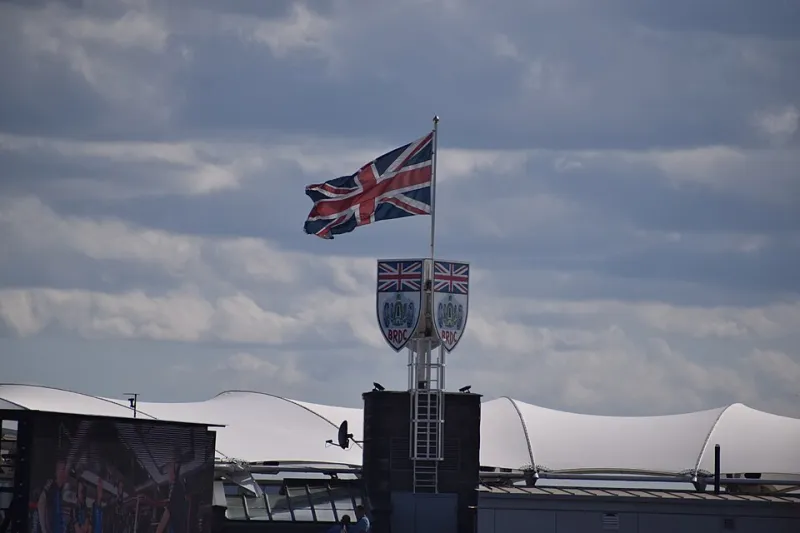
Photo: Jason Puddephatt, CC BY-SA 4.0, via Wikimedia Commons
Most race fans have a routine. Arrive for the headline race, find a spot by the fence, watch the big cars, leave before the last support race has finished. That is understandable. The headline act is what gets printed on the poster. But at a lot of British meetings, the smarter ticket is the one that treats the whole programme as the event. The support races are not the warm-up. They are often the best value on the bill.
What the Support Bill Actually Is
At a UK circuit, the headline race is the one with the biggest entry, the loudest marketing and usually the longest queue at the gate. The support bill is everything else: one-make championships, club series, historic grids, junior formulae and the occasional endurance race. They run around the main event on the same day or across a weekend. At a club meeting the line between headline and support can be blurry. That is part of the charm. You might get a Mk2 MX-5 race, a Caterham grid, a historic Formula Ford field and a hotly contested hatchback series before lunch.
The timetable is the key. Support races usually have shorter sessions, more frequent starts and less margin for error. A 15-minute race has no room for a tactical cruise. Drivers have to get on with it.
Closer Racing, Less Theatre
One-make series are a good example. When the cars are broadly identical, the gaps come from the driver. You get pack racing, late dives and the sort of contact that makes a marshal reach for the incident sheet. Historic grids bring a different appeal: different shapes, different sounds and drivers who are often racing cars they have built, maintained or argued with for years. Club series can be scruffier, but scruffy is not the same as slow.
There is also less theatre. A headline race may have a big build-up, grid walk and television schedule. A support race often just gets on with it. That can be a relief. You can watch the assembly area fill, hear the engines catch and see the first lap without a presenter telling you what to feel.
The Paddock Is the Point
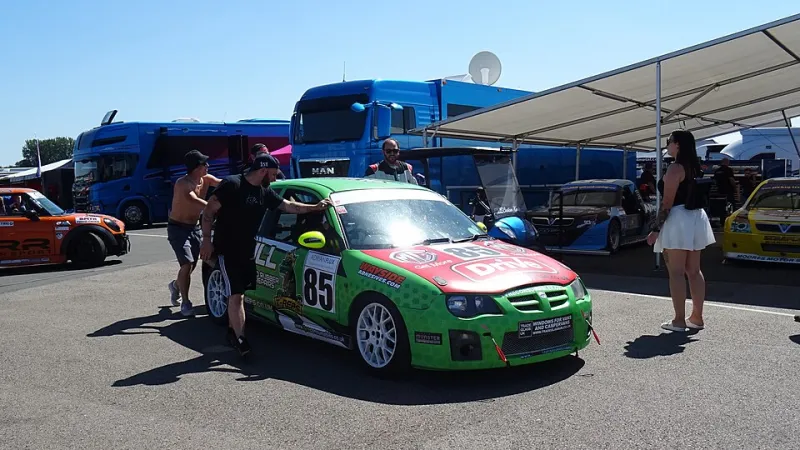
The best reason to plan around the support bill is access. Support teams are usually club teams. They are working out of awnings, trailers and the back of vans. You are more likely to see a gearbox on a bench, a driver in a fireproof suit queueing for a bacon roll and a mechanic explaining a suspension change to anyone who asks politely. Big headline teams have their own routines and boundaries. Support paddocks are more open.
That matters for fans, especially families. A child who can see a car being worked on is more likely to understand the sport than one who only sees it flash past. Check the circuit’s paddock access rules before you go. Some areas are restricted, and you should always respect the ropes and the marshals. But where access is allowed, use it.
How to Plan a 2026 Weekend Around the Undercard
Start with the timetable, not the poster. Circuits publish provisional timetables and entry lists in the weeks before a meeting. Look for categories you do not know. A one-make series you have never heard of can be a better watch than a headline race you have seen a dozen times.
Pick two support categories and follow them properly. Watch qualifying, not just the race. Qualifying shows you who is quick and who is struggling. Then find a spot at a corner rather than the main grandstand. Support races are often decided in the braking zones and the slower corners. At Brands Hatch, that might mean Paddock Hill or Druids. At Donington, the Craner Curves. At Oulton Park, Cascades or Island Bend. At Cadwell, anywhere you can see the cars change direction.
Use the assembly area. It is one of the most underrated places at a British circuit. You see the order, the nervous glances and the last-minute checks. You also learn how a race meeting actually runs.
Stay for the last race. Support races often close the programme, and the paddock empties quickly. The final race can be the most relaxed and the most desperate. Drivers who have had a bad weekend have nothing to lose.
The Next Star Is Probably Here
The next club-racing star is more likely to be found in a support race than on a big screen. That is not a knock on the headline acts. It is simple maths. There are more support races, more entries and more drivers trying to make something happen. A teenager in a Formula Ford, a late starter in a MX-5 and a historic specialist in a Lotus Cortina are all part of the same ecosystem. The big championships get the television. The support bill gets the stories.
If you want to follow the sport rather than just watch it, learn a few names from the entry list. Check results after the meeting. You will start to see the same drivers turning up, improving and moving up. That is how fandom works at club level. It is built on familiarity, not hype.
The Ticket Math
Support races are usually included in the meeting ticket. That is the simple financial case. A club meeting at a UK circuit often costs less than a day out at a major sporting event, and you get a full programme rather than one headline. You may not get the same facilities or the same crowd, but you get racing. For fans in 2026, with travel and food costs still biting, that matters.
The caveat is that support races can be unpredictable. Red flags, delays and changing weather are part of the deal. Not every support race is a classic. Some are processional. But the same is true of headline races. The difference is that the support bill rarely asks you to pay a premium for the privilege.
The Whole Programme
The undercard is not a consolation prize. It is the part of the meeting where you can see the sport working. Cars are prepared, drivers learn, teams improvise and the next generation gets its laps. The headline race may be the reason you buy a ticket, but the support bill is often the reason you stay. In 2026, plan a weekend around it. You will get more racing, more access and a better story to tell on the way home.