M6 Before Sunrise: The Unglamorous Art of Getting to a Track Day

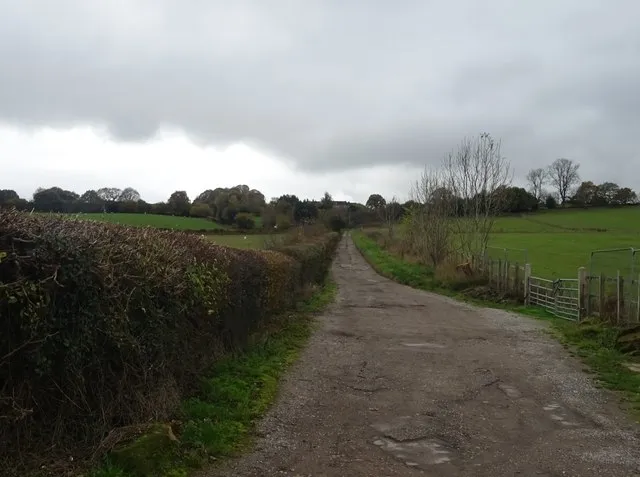
Photo: MrWalkr, CC BY-SA 4.0, via Wikimedia Commons
Every track day has two start lines. One is the pit exit, where the marshal gives you a nod and you remember you have not checked your mirror since breakfast. The other is your driveway at four in the morning, when you are trying to remember whether the trailer lights worked yesterday and whether a flask of tea counts as a balanced breakfast.
The laps get the photographs. The logistics get you there. Here is the unglamorous side of a UK track day: the bit that happens on the M6, in the services and in the rain, long before the first sighting lap.
The driveway is the first pit lane
Do the boring jobs the night before. Fuel the car at a sensible hour rather than joining the 4am panic queue at the only open filling station. Check tyre pressures cold, torque the wheel nuts, top up the fluids and make sure the bonnet actually latches. Put your helmet, gloves, licence, booking confirmation, indemnity form and circuit instructions in one bag. Charge your phone. Download the route. Check the trailer tyres, the lights, the breakaway cable and the number plate.
This is not glamorous. It is also the difference between arriving at sign-on feeling like a racing driver and arriving looking like a man who has just wrestled a gazebo into a hedge. A 4am panic is not a strategy.
Loading the trailer without becoming a cautionary tale
Weight distribution matters. Put the heaviest items over or near the trailer axle, not hanging off the tail like an afterthought. Secure the car with four proper straps, not two mystery straps from 1998. Check the lights, the indicators and the plate. Stop after 20 miles and check the straps again, because a car can settle and a strap can slacken.
If you are new to towing, practise before the morning. Reversing a trailer in an empty car park at a sensible hour is far less embarrassing than doing it in front of a queue at the circuit gate. Remember that towing brings lower speed limits and lane restrictions in the UK, so check the current GOV.UK guidance and drive to the rules rather than to the bloke in the diesel estate who overtook you on the A14.
The 4am convoy
Convoying with mates is one of the better bits of track-day culture, but it should be a support group, not a rolling race. Agree a meeting point, share a live location and leave a buffer for roadworks, closures and the traditional motorway mystery traffic jam. The M6 can be kind or it can be a car park with better signage.
Plan a fuel stop for the tow vehicle and give yourself room to manoeuvre. Do not arrive on fumes because you were too busy trying to keep up with a friend in a van. And keep the convoy loose. Nobody needs to be glued to the car in front for three hours; that is how a relaxed morning becomes a brake-testing competition.
The just-in-case box
Bring spares and tools, but do not bring the entire garage. The useful core is simple: cable ties, gaffer tape, WD40, brake fluid, oil, coolant, a tyre pressure gauge, a pump, a torque wrench, a socket set, a jack, axle stands, wheel chocks, gloves, a torch and a bin bag for wet kit. Add car-specific spares such as brake pads, wheel nuts or a sensor if you know your machine has a weakness.
The cruel rule of track days is that the item you leave at home is the item that fails. The second cruel rule is that the item you bring will probably never be needed. Bring it anyway. A spare set of brake pads is cheaper than a ruined weekend.
Fuel, food and the bacon roll economy
Fuel both vehicles before you set off. If you carry jerry cans, make sure they are legal, secure and not sloshing around in the cabin. Food matters more than people admit. A flask, water, sandwiches and a few snacks will save you from the catering queue at the exact moment your session is called. A heavy fry-up immediately before driving is not a performance upgrade.
Keep cash or a card handy for the services, the circuit cafe and the inevitable emergency coffee. Track days run on fuel, brake dust and questionable service-station pastries.
Weather and the plan B
This is Britain. The forecast is a rumour. Pack for four seasons, including rain gear, a tarp and something to weigh down a gazebo. Keep wet clothes in a separate bag so your dry stuff does not become a damp regret.
If the weather turns genuinely grim, have a plan B. Check the circuit's policy on cancellations and noise tests. Swap to suitable tyres if you have them. Shorten sessions. Or call it. The best track day is the one you drive away from, not the one you turn into a story about standing water and a visit to the tyre wall.
The drive home
The drive home is the part nobody films, and it is where tiredness does its best work. Pack up before you are completely exhausted. Check the trailer lights and straps again. Get out of wet kit. Have a proper drink.
Take a 15 to 20 minute break every couple of hours, share the driving if you can, and do not try to chase the convoy home. If you are too tired, stop. The last 30 miles are the ones that bite. A track day is not worth a motorway moment you will regret.
The 4am checklist
- Documents, booking and circuit info packed
- Car fuelled, fluids checked, tyre pressures set cold
- Wheel nuts torqued and trailer lights tested
- Car strapped down properly, with a re-check planned
- Spares, tools, torch and rain gear loaded
- Food, water and flask in the cabin
- Route checked, phone charged, fuel stop planned
- Trailer speed limits and lane rules understood
Get the boring bits right and the day starts at the first sighting lap, not at the first panic. The circuit will still be there when you arrive. The trick is arriving with enough energy to enjoy it.